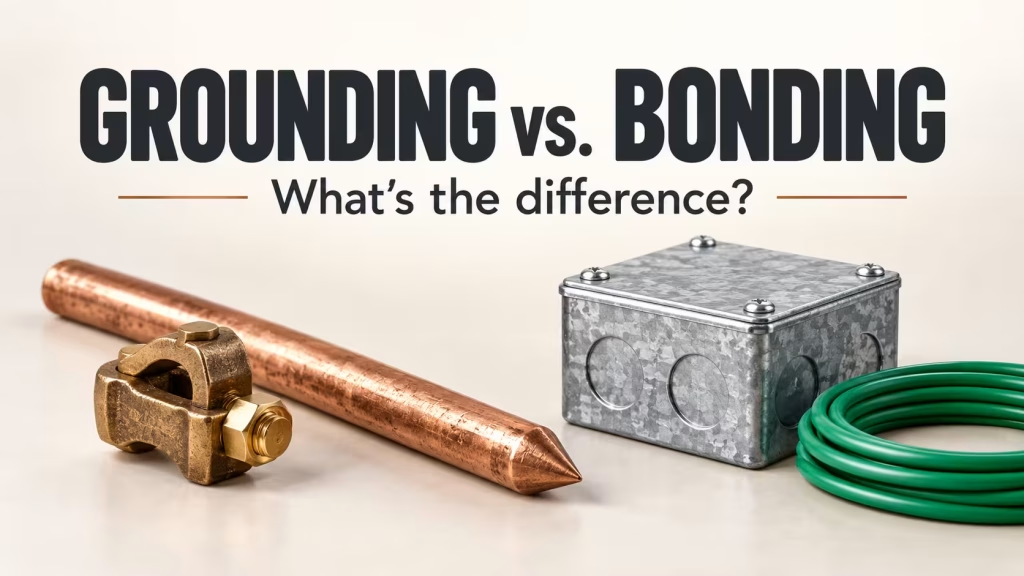
Grounding connects an electrical system to the earth. Bonding electrically connects metal parts together. Both help make an electrical installation safer, but they do different jobs.
A ground rod beside a house is a familiar example of grounding. Connecting a metal electrical box to the circuit’s ground wire is an example of bonding. That box can also be grounded through the same connection, which is one reason the terms can be confusing.
The difference is easier to understand when you picture what happens if a damaged wire touches the metal body of an appliance.
Quick Comparison
Grounding vs. Bonding at a Glance
| Topic | Grounding | Bonding |
|---|---|---|
| What it connects | The electrical system or equipment to earth | Metal parts to one another |
| Why it matters | Helps keep voltage stable relative to earth and limit certain overvoltages | Helps provide a dependable path for fault current to return to its source |
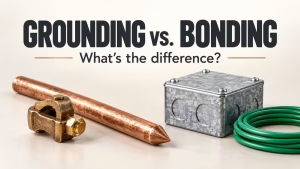
| Familiar example | A wire connected to a ground rod | A ground wire connected to a metal electrical box |
These connections work together. A single connection can help perform both functions.
What Is Electrical Grounding?
In electrical work, “ground” means the earth. Grounding creates an electrical connection to it.
You have probably seen a copper-colored rod driven into the soil near a building’s electrical service. That is one type of grounding electrode, the name for an object that makes the connection to earth. Other types exist, but the ground rod is an easy one to recognize.
That earth connection helps keep the system’s voltage stable relative to the ground around us. Voltage is always a difference between two points, so the earth serves as a reference point. Grounding also helps limit unusually high voltages caused by lightning, power-line surges, or accidental contact with higher-voltage lines.
Those are important functions. However, driving a rod into the soil and connecting it to an appliance does not, by itself, provide a reliable way to trip a breaker if the appliance develops a fault. To understand why, we need to look at bonding.
What Is Electrical Bonding?
Bonding means making a reliable electrical connection between metal parts. That could mean joining metal electrical boxes, metal conduit, and equipment housings into a continuous conductive path.
Under normal conditions, the metal body of an appliance should not carry the current that runs it. The current belongs in the circuit wiring. But a loose wire or damaged insulation can let a live wire touch that metal body.
Now the outside of the appliance can become energized, creating a shock hazard.
Bonding connects that metal body into the equipment grounding path so current has a route back to the electrical supply if something goes wrong. It also helps reduce voltage differences between connected metal parts.
For this protection to work, the connections must be secure and electrically continuous. A loose or broken connection can interrupt the path. Simply having a ground wire nearby does nothing unless the equipment is properly connected to it.
A Simple Example: A Fault Inside a Washing Machine
Imagine a washing machine with a damaged hot wire inside it. The hot wire is the wire supplying power. Its insulation wears through, and it touches the machine’s metal cabinet.
That accidental connection is called a ground fault.
Without a working equipment grounding connection, the cabinet can remain energized. Someone touching the washer while also touching a grounded surface could become part of a path for current and receive a shock.
With the proper connections in place, there is an intended return path. In a typical home supplied by a grounded utility system, it works like this:
- The hot wire touches the washer’s cabinet.
- Current flows from the cabinet into the equipment grounding wire.
- That wire leads back to the service equipment, where a bonding connection joins the equipment grounding path to the neutral.
- The neutral carries that fault current back to the utility transformer, completing the circuit.
The connection at the service is called the main bonding jumper. It completes an important part of this return path.
Because the path offers little opposition to current, a large amount of fault current can flow. That allows the breaker to trip promptly and disconnect power. The technical term for a path with little opposition to alternating current is low impedance.
This is a useful point to remember: a standard circuit breaker responds to excessive current. It does not automatically trip just because the outside of an appliance has become energized.
Why Doesn’t the Ground Rod Do That Job?
The soil generally offers much more resistance than the intended metal return path. If the fault current has to travel through the earth, there may not be enough current to trip the breaker. The appliance could remain energized.
Fault current needs a reliable path back to its source. It does not simply disappear into the ground.
That is why connecting equipment to earth and providing a dependable fault-current path are both important. One does not replace the other.
Why Are There Different Types of Ground Wires?
Two NEC terms help explain the difference: equipment grounding conductor and grounding electrode conductor. A conductor is simply something that carries electric current, such as a wire.
The equipment grounding conductor (EGC) is the path connected to metal equipment, including the washer cabinet in our example. It commonly runs alongside the circuit wires. In some installations, an approved type of metal conduit can serve this function instead of a separate wire.
Despite having “grounding” in its name, this conductor also performs bonding. It connects metal parts together and helps carry fault current back to the source. It is not intended to carry the current used during normal appliance operation.
The grounding electrode conductor (GEC) makes the connection to the grounding electrode system. The wire connected to a home’s ground rod is a familiar example.
When reading the NEC, pay attention to what each conductor connects. That tells you much more about its job than calling both of them “ground wires.”
For electricians preparing for an exam, UEG’s 2026 Journeyman Electrical Exam Prep covers grounding and bonding in more detail. Understanding the purpose of each connection gives you a stronger starting point for learning the installation and sizing rules.
Preparing For An Electrical Exam? Take Our Free Practice Test
See where you stand before test day.